Daniel Gelinas Daniel Gelinas

The Real Impact of Gas Price Shocks Isn’t What You Think

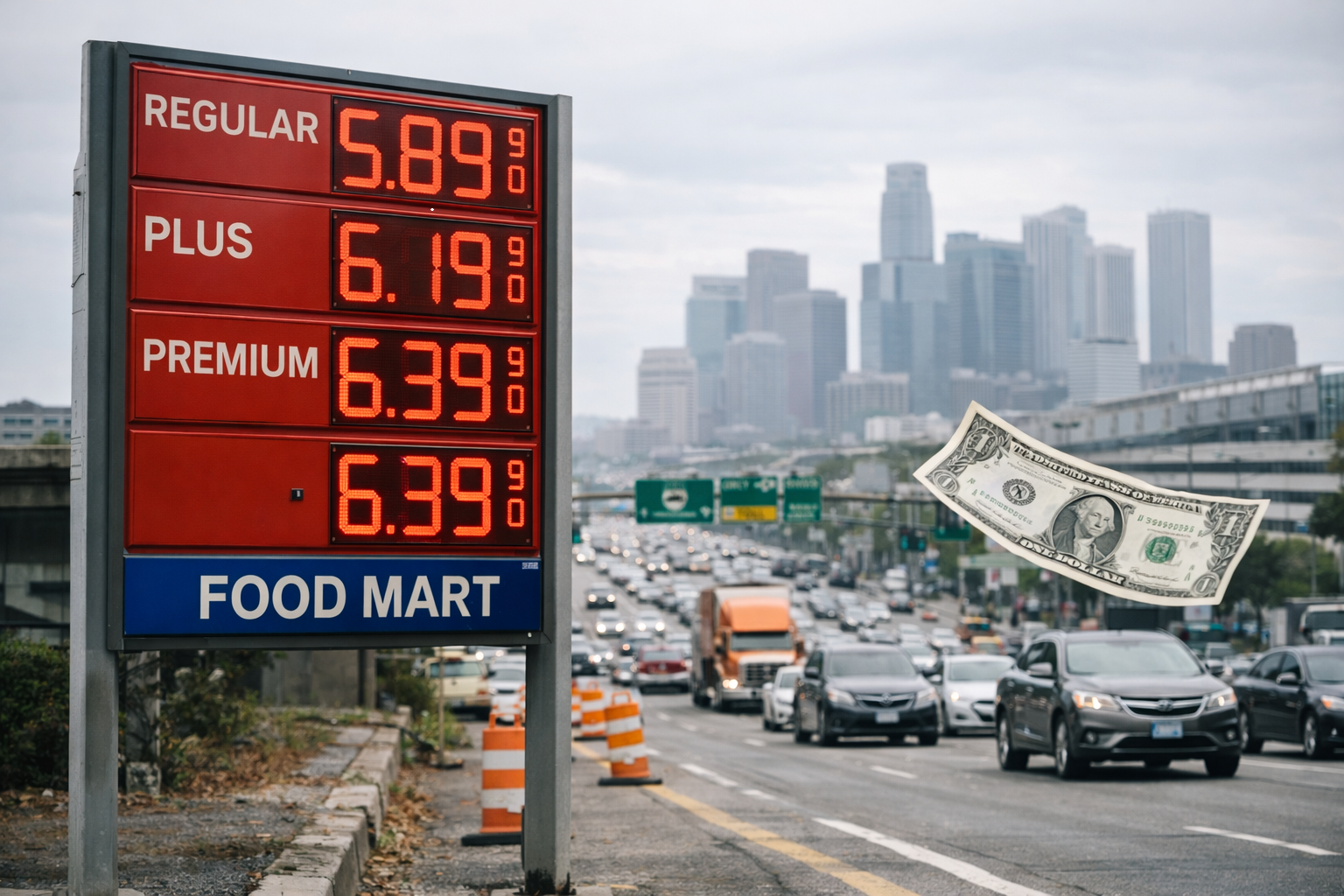
When gas prices rise, we expect behavior to change. But most people don’t switch modes — they adapt within constraints. The real story isn’t about fuel costs. It’s about whether our mobility systems are complete enough to offer a real alternative.

Why fuel price shocks expose the real weakness in our mobility systems

A recurring pattern we keep misreading

Every time gas prices rise, the same narrative emerges:

“People will drive less.”

And to some extent, they do.

  • They combine trips.

  • They cancel non-essential travel.

  • They become more efficient.

But what they don’t do — at scale — is fundamentally change how they move.

Because they often can’t.

What the data actually shows

Across multiple studies and real-world events:

  • A 1% increase in fuel prices reduces car commuting by less than 1%

  • Even during extreme price spikes, fuel demand drops only marginally

  • Most behavioral changes are optimization, not transformation

At the same time:

  • Public transit use increases

  • Cycling and walking increase

  • Remote work rises

But only where alternatives are already viable

This is not a price problem. It’s a system problem.

Fuel prices don’t create new behavior.

They reveal constraints.

When costs rise, people don’t suddenly become multimodal.

They simply default to:

  1. What is available

  2. What is reliable

  3. What feels safe

And too often, that still means the car.

Three predictable reactions to higher fuel prices

When fuel costs increase, people respond in three ways:

  1. Optimize // Drive less. Combine trips. Reduce mileage

  2. Substitute (if possible) // Switch to transit, biking, walking.

  3. Suppress demand // Travel less. Stay home. Work remotely.

The key variable is not price.

  • It is infrastructure readiness

The overlooked bottleneck: arrival

Over the past decade, cities have invested heavily in:

  • bike lanes

  • trails

  • electrification

And it’s working.

Millions of bikes and e-bikes are now in circulation.

But one friction point remains largely unresolved:

What happens at the destination?

Because mobility is not just about movement.

It’s about completing a trip with confidence.

The missing layer: predictability and security

For cycling — especially e-bikes — three questions determine behavior:

  1. Will there be a place to park?

  2. Will my bike be secure?

  3. Can I rely on that experience every time?

If the answer is uncertain, the system breaks.

No matter how good the infrastructure is upstream.

Why this matters now

Two structural trends are accelerating:

1. Congestion pricing
→ increasing pressure to shift away from cars

2. Electrification of bikes
→ expanding range, accessibility, affordability, and adoption

Together, they create demand for alternatives. But demand alone is not enough.

The system must be complete

Conclusion

  • Gas prices don’t change behavior.

  • They expose whether change is possible.

The real question is no longer:

“How do we encourage people to shift?”

But:

“Have we removed the friction that prevents them from doing so?”

Read More