
The Strategic Blind Spot
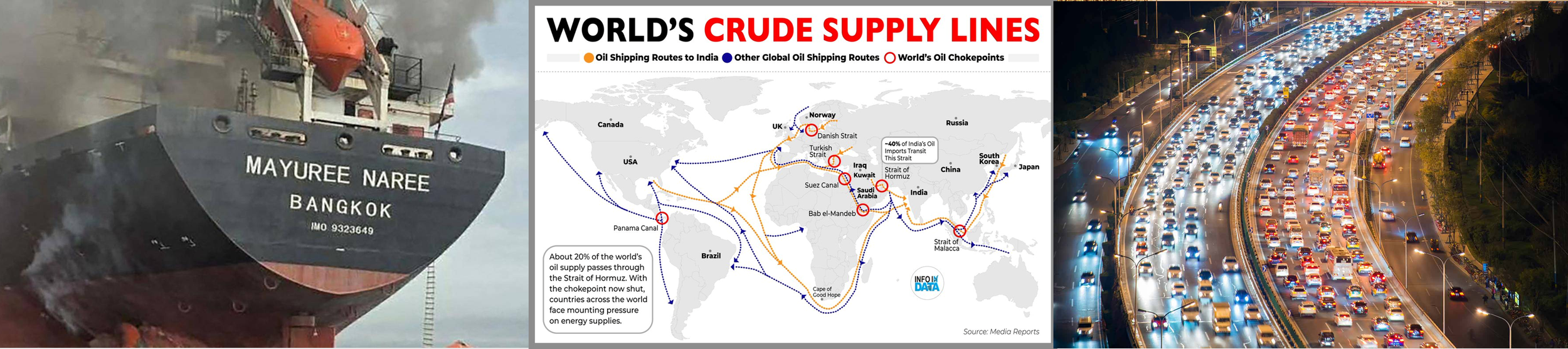
A provocative Reframe on Urban Mobility
Cities have spent billions optimizing:
vehicle throughput
traffic flow
parking supply for cars
But have systematically underinvested in:
secure bike parking at destinations
connected infrastructure enabling daily use
integration with buildings and transit nodes
This is not a technical limitation.
It is a priority misalignment.
The Real Constraint Is Not Technology — It’s Confidence
People don’t avoid cycling because bikes don’t exist.
They avoid it because:
they don’t trust they’ll find secure parking
they don’t trust their bike will still be there
they don’t trust the system to support daily use
In other words:
The barrier is not mobility. It is infrastructure confidence.
From Mobility to Risk Management
Cycling infrastructure is not just:
a sustainability initiative
a lifestyle amenity
a “nice-to-have” ESG feature
It is:
A risk mitigation strategy against global supply chain volatility
When viewed through that lens, the investment logic changes completely.
If a city lost access to fuel for 30 days:
how many trips could still happen?
which businesses would continue operating?
which buildings would retain value?
Now ask:
Which mobility system survives that scenario?
Not the fastest.
Not the most powerful.
The most independent.
The Opportunity
We are entering a phase where:
geopolitical instability is structural, not episodic
energy systems are transitioning but still fragile
cities must design for uncertainty, not stability
This creates a clear opportunity:
Build mobility systems that function even when global systems fail
That means:
enabling cycling as a default option, not an alternative
investing in secure, smart, connected infrastructure
integrating mobility into real estate and daily life
Final Thought
We didn’t fail to predict the risk.
We failed to act on what we already knew.
The next phase of urban mobility won’t be defined by innovation.
It will be defined by which systems continue to work when everything else doesn’t.