The Real Impact of Gas Price Shocks Isn’t What You Think
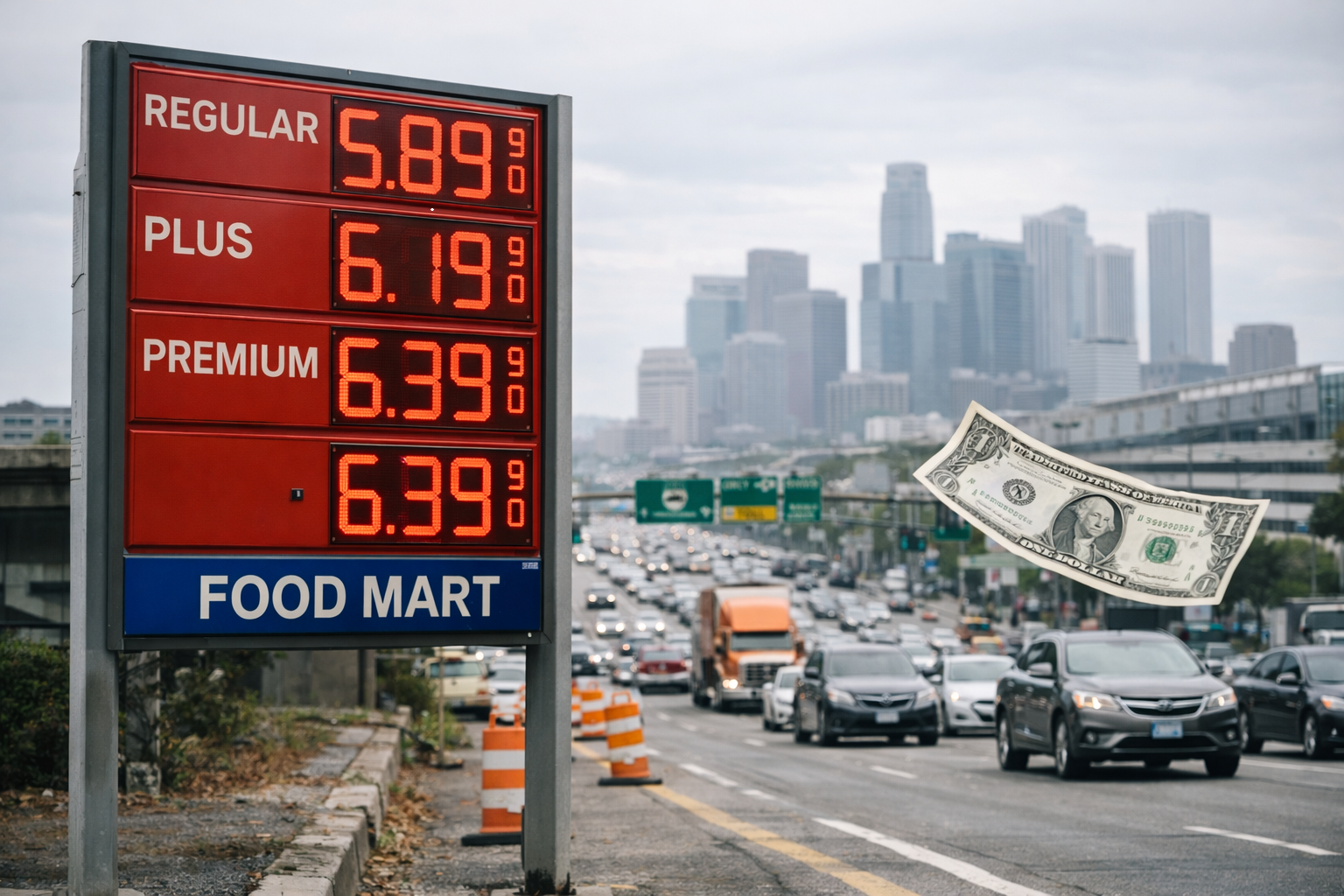
When gas prices rise, we expect behavior to change. But most people don’t switch modes — they adapt within constraints. The real story isn’t about fuel costs. It’s about whether our mobility systems are complete enough to offer a real alternative.
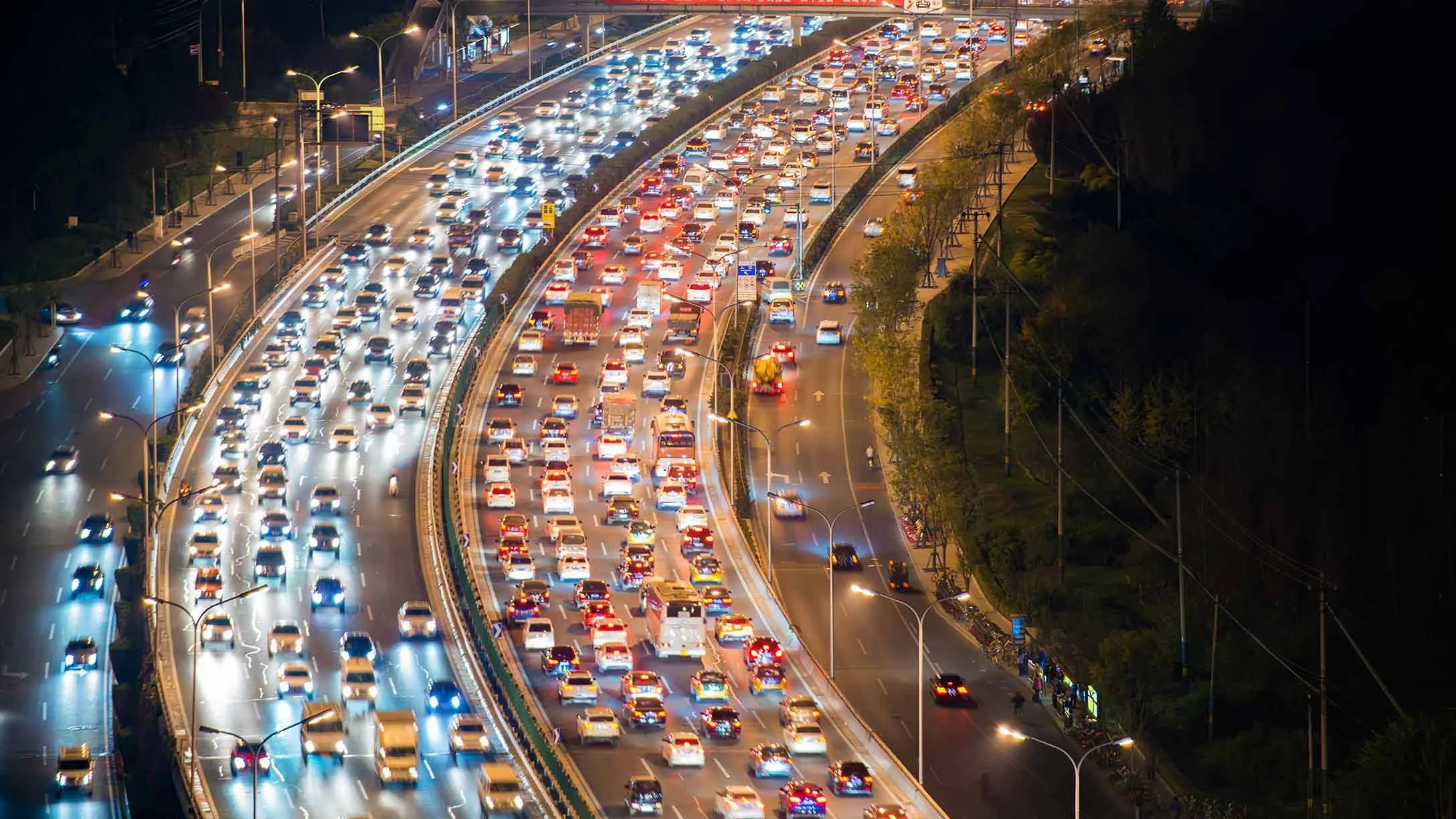
Why fuel price shocks expose the real weakness in our mobility systems
A recurring pattern we keep misreading
Every time gas prices rise, the same narrative emerges:
“People will drive less.”
And to some extent, they do.
They combine trips.
They cancel non-essential travel.
They become more efficient.
But what they don’t do — at scale — is fundamentally change how they move.
Because they often can’t.
What the data actually shows
Across multiple studies and real-world events:
A 1% increase in fuel prices reduces car commuting by less than 1%
Even during extreme price spikes, fuel demand drops only marginally
Most behavioral changes are optimization, not transformation
At the same time:
Public transit use increases
Cycling and walking increase
Remote work rises
But only where alternatives are already viable
This is not a price problem. It’s a system problem.
Fuel prices don’t create new behavior.
They reveal constraints.
When costs rise, people don’t suddenly become multimodal.
They simply default to:
What is available
What is reliable
What feels safe
And too often, that still means the car.
Three predictable reactions to higher fuel prices
When fuel costs increase, people respond in three ways:
Optimize // Drive less. Combine trips. Reduce mileage
Substitute (if possible) // Switch to transit, biking, walking.
Suppress demand // Travel less. Stay home. Work remotely.
The key variable is not price.
It is infrastructure readiness
The overlooked bottleneck: arrival
Over the past decade, cities have invested heavily in:
bike lanes
trails
electrification
And it’s working.
Millions of bikes and e-bikes are now in circulation.
But one friction point remains largely unresolved:
What happens at the destination?
Because mobility is not just about movement.
It’s about completing a trip with confidence.
The missing layer: predictability and security
For cycling — especially e-bikes — three questions determine behavior:
Will there be a place to park?
Will my bike be secure?
Can I rely on that experience every time?
If the answer is uncertain, the system breaks.
No matter how good the infrastructure is upstream.
Why this matters now
Two structural trends are accelerating:
1. Congestion pricing
→ increasing pressure to shift away from cars
2. Electrification of bikes
→ expanding range, accessibility, affordability, and adoption
Together, they create demand for alternatives. But demand alone is not enough.
The system must be complete
Conclusion
Gas prices don’t change behavior.
They expose whether change is possible.
The real question is no longer:
“How do we encourage people to shift?”
But:
“Have we removed the friction that prevents them from doing so?”
The Strategic Blind Spot
What if a city lost access to fuel for 30 days? The question isn’t which system is fastest—it’s which one still works. True urban mobility isn’t about performance in ideal conditions, but resilience when systems are under stress.
A provocative Reframe on Urban Mobility
Cities have spent billions optimizing:
vehicle throughput
traffic flow
parking supply for cars
But have systematically underinvested in:
secure bike parking at destinations
connected infrastructure enabling daily use
integration with buildings and transit nodes
This is not a technical limitation.
It is a priority misalignment.
The Real Constraint Is Not Technology — It’s Confidence
People don’t avoid cycling because bikes don’t exist.
They avoid it because:
they don’t trust they’ll find secure parking
they don’t trust their bike will still be there
they don’t trust the system to support daily use
In other words:
The barrier is not mobility. It is infrastructure confidence.
From Mobility to Risk Management
Cycling infrastructure is not just:
a sustainability initiative
a lifestyle amenity
a “nice-to-have” ESG feature
It is:
A risk mitigation strategy against global supply chain volatility
When viewed through that lens, the investment logic changes completely.
If a city lost access to fuel for 30 days:
how many trips could still happen?
which businesses would continue operating?
which buildings would retain value?
Now ask:
Which mobility system survives that scenario?
Not the fastest.
Not the most powerful.
The most independent.
The Opportunity
We are entering a phase where:
geopolitical instability is structural, not episodic
energy systems are transitioning but still fragile
cities must design for uncertainty, not stability
This creates a clear opportunity:
Build mobility systems that function even when global systems fail
That means:
enabling cycling as a default option, not an alternative
investing in secure, smart, connected infrastructure
integrating mobility into real estate and daily life
Final Thought
We didn’t fail to predict the risk.
We failed to act on what we already knew.
The next phase of urban mobility won’t be defined by innovation.
It will be defined by which systems continue to work when everything else doesn’t.
From Bike Parking to ESG Data Infrastructure
Real estate ESG strategies often focus on energy and building performance—but overlook one of the largest sources of emissions: commuting. Secure cycling infrastructure, when connected to digital mobility platforms, can transform bike parking into a measurable ESG asset. The result is a new opportunity to reduce Scope-3 emissions while strengthening the long-term value of real estate portfolios.
Portfolio Value Impact
A New Opportunity for Real Estate Owners and REITs
ESG Is Redefining What Makes Real Estate Valuable
Over the past decade, ESG considerations have moved from a compliance exercise to a strategic driver of real estate investment decisions.
Institutional investors, pension funds, and REITs increasingly evaluate assets based not only on financial performance but also on environmental impact, occupant well-being, and mobility patterns. While most real estate portfolios have focused heavily on energy efficiency and building operations, another major source of emissions often remains overlooked:
How people travel to and from the building.
This mobility layer represents one of the most significant yet least managed components of a building’s environmental footprint.
The Scope-3 Mobility Challenge
Commuting Emissions Are the Largest ESG Blind Spot
For many office and residential properties, commuting represents the largest share of emissions associated with the asset.
Employees, residents, and visitors generate thousands of trips each year.
These trips often rely on private vehicles, contributing to:
greenhouse gas emissions
congestion
parking demand
reduced urban livability
ESG reporting frameworks are increasingly requiring organizations to measure these Scope-3 emissions, including commuting.
However, real estate owners typically have very limited visibility into mobility behavior.
This is where infrastructure begins to play a strategic role.
Infrastructure Changes Behavior
Secure Cycling Facilities Unlock Active Mobility
Over the past five years, millions of bicycles and electric bikes have been sold across North America and Europe.
The vehicles already exist.
The missing element is often confidence at the destination.
Cyclists need to know that when they arrive at a building, they will find:
secure parking
protection from theft and vandalism
safe storage for high-value e-bikes
access available 24/7
When these conditions are met, cycling becomes a viable commuting option, even in dense urban environments.
Secure cycling infrastructure, therefore, becomes a mobility enabler, not just an amenity.
From Amenity to Data Infrastructure
The Role of Connected Mobility Platforms
Traditional bike racks offer little more than a place to lock a bicycle.
But when secure cycling infrastructure is integrated with a connected digital platform, something more powerful emerges.
Bike parking becomes a source of verified mobility data.
Digital access systems and connected infrastructure platforms can measure:
daily usage of cycling facilities
number of active cyclists in a building
frequency of trips
estimated vehicle trips replaced
associated CO₂ reductions
This transforms cycling infrastructure from a simple facility into a data-generating asset supporting ESG reporting.
Real Estate Portfolio Impact
When Mobility Infrastructure Creates Measurable Value
Consider a residential or mixed-use portfolio equipped with secure cycling infrastructure.
Assume:
400 secure bike spaces
90% utilization
220 cycling days per year per user
This generates approximately:
79,200 annual cycling trips
If each trip replaces a short car journey, the environmental impact becomes significant.
The result can include:
measurable Scope-3 emissions reductions
improved ESG reporting transparency
stronger sustainability metrics for investors
For institutional asset managers, these indicators increasingly influence capital allocation and portfolio attractiveness.
The Financial Dimension
ESG Performance Can Influence Asset Valuation
Capital markets are increasingly recognizing that sustainability performance influences asset liquidity, financing conditions, and valuation.
Even small improvements in perceived ESG performance can contribute to cap-rate compression, which directly affects asset value.
Mobility infrastructure that produces measurable environmental outcomes may therefore support:
improved ESG ratings
enhanced investor confidence
stronger positioning for sustainable finance
This reframes cycling infrastructure as more than a sustainability initiative.
It becomes part of the asset's strategic infrastructure.
The Next Layer of Urban Infrastructure
Secure, Connected, and Revenue-Generating
New infrastructure models are emerging that combine:
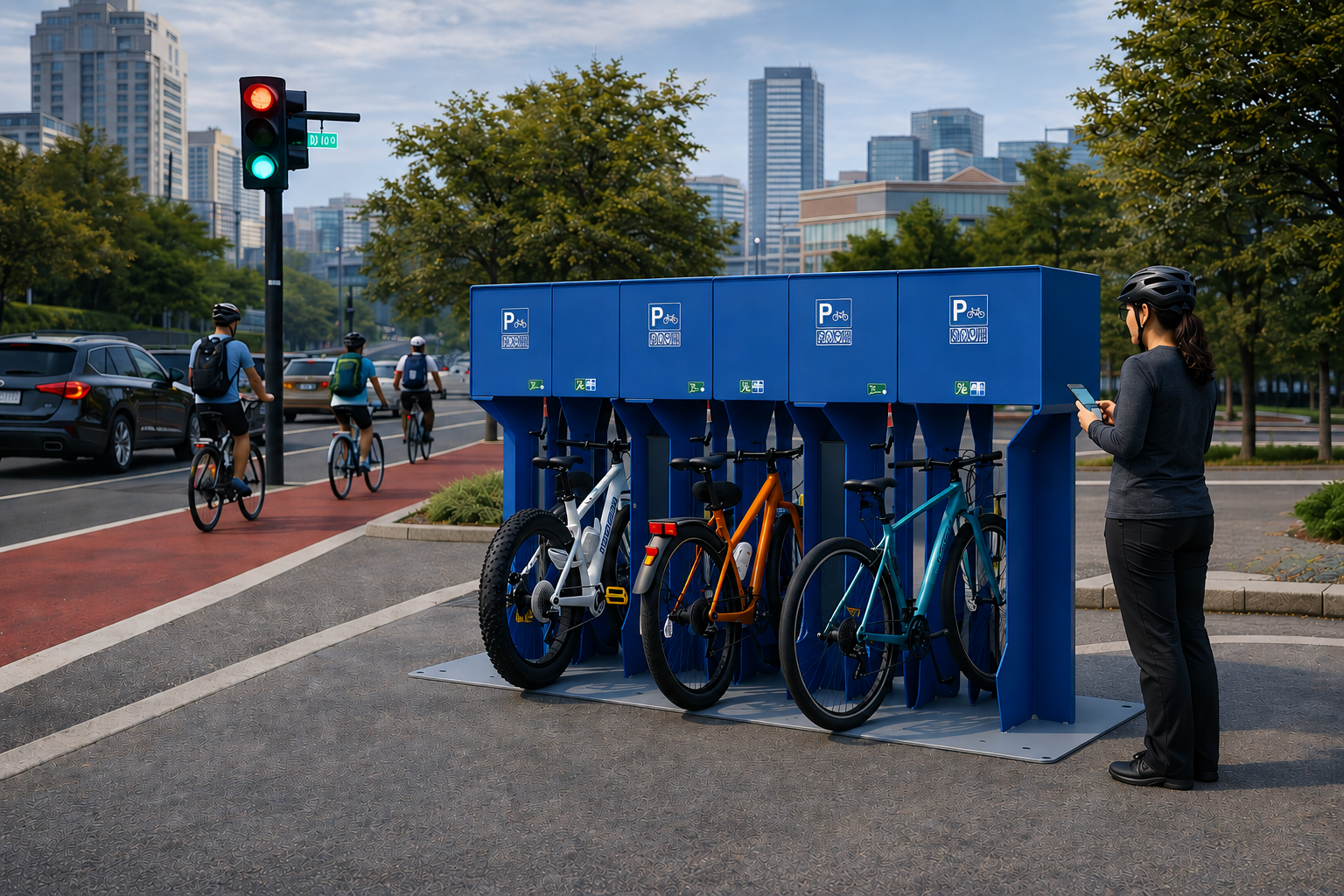
secure modular bike storage
integrated e-bike charging
smartphone-enabled access systems
connected digital platforms
These systems allow property owners to:
offer premium secure bike parking to tenants
generate recurring subscription revenue
measure mobility patterns
support ESG disclosure frameworks
In this model, cycling infrastructure evolves from static equipment into operational infrastructure within the building ecosystem.
Conclusion
Mobility Infrastructure Is Becoming a Strategic Asset
As cities transition toward lower-carbon transportation systems, buildings must also adapt.
The next generation of real estate assets will not only optimize energy performance but also enable sustainable mobility for their occupants.
Secure, connected cycling infrastructure represents a powerful opportunity to:
reduce commuting emissions
support active transportation
enhance tenant experience
generate measurable ESG data
In this context, bike parking is no longer simply a facility.
It is becoming a strategic layer of infrastructure linking mobility, sustainability, and real estate value.
5. The true impact of secure e-bike parking becomes clear when usage is analyzed over time.
Observed usage confirms secure e-bike parking replaces car trips at scale.
Bike-Oasis usage heat map showing consistent weekday demand, clear peak hours, and weekend surges—evidence of repeatable, habitual bike use.
The Bike-Oasis admin heat map reveals consistent, repeatable patterns of use across days and hours—peaking during late-morning and early-afternoon periods, with sustained activity on weekdays and distinct, higher-intensity bursts on weekends. This temporal concentration confirms that secure e-bike parking is not used sporadically, but as part of regular daily routines.
When this real-world usage data is combined with Don Cicleto’s extensive European deployment experience and early North American patterns, a clear picture emerges: a single secure stall typically enables multiple car trips to be replaced each day, rather than occasional or marginal shifts.
In practice, one secure stall supports:
1–3 displaced car trips per weekday, aligned with commuting, errands, and campus schedules
2–6 displaced car trips on weekends in mixed-use and retail environments, where usage intensifies during mid-day and afternoon peaks
Even higher displacement rates on university campuses, where predictable schedules and limited car parking amplify mode shift
Using a conservative annual model, these observed patterns translate into:
400–900 displaced car trips per stall, per year
When deployed at scale—across 40, 80, or 200 stalls—these impacts compound into a measurable, portfolio-level mobility effect. Crucially, this is not modeled or assumed behavior; it is supported by verified booking, occupancy, and dwell-time data captured directly through the Bike-Oasis platform.
As a result, secure e-bike parking becomes a defensible input for:
GHG Protocol Scope-3 avoided-emissions reporting
TCFD climate-risk and transition disclosures
GRESB real-asset sustainability benchmarking
Unlike aspirational mobility targets or survey-based estimates, secure parking generates verifiable, repeatable outcomes—linking infrastructure investment directly to observed behavior change and measurable ESG performance.
4. The True Impact of Secure E-Bike Parking Over Time
One secure e-bike parking stall can replace up to 900 car trips per year. Here’s how infrastructure turns mobility goals into measurable results.
BIKE-OASIS Management Console
Learn why secure e-bike parking is a powerful tool for real estate developers to reduce car dependency, minimize grid impact, and deliver measurable ESG outcomes.
Daily Trip Displacement: How Many Car Trips Can One Stall Replace?
Drawing on Don Cicleto’s extensive European deployment data and early North American usage patterns, a single secure stall typically supports:
1–3 displaced car trips per weekday
2–6 displaced car trips on weekends in mixed-use and retail environments
Higher displacement rates on university campuses, where daily routines are predictable and parking constraints are strong
Using a conservative annual model, this translates to:
400–900 displaced car trips per stall, per year
When deployed at scale—40, 80, or 200 stalls—this creates a quantifiable mobility impact that can be directly integrated into:
GHG Protocol Scope-3 reporting
TCFD climate-risk disclosures
GRESB real-asset sustainability benchmarking
Unlike aspirational mobility targets, secure parking produces verifiable, repeatable outcomes.
3. Grid Impacts: Modern E-Bike Charging Is Exceptionally Light
One of the most persistent misconceptions surrounding e-bike infrastructure is that charging represents a meaningful burden on building electrical systems or local grids. In reality, e-bike charging is one of the lowest-impact electrification loads available.
Light Grid Impact of eBike Charging
One of the most persistent misconceptions surrounding e-bike infrastructure is that charging represents a meaningful burden on building electrical systems or local grids. In reality, e-bike charging is one of the lowest-impact electrification loads available.
A typical e-bike battery operates within the following range:
Capacity: 400–700 Wh
Charging power: 70–150 W
Electricity per full charge: ~0.5 kWh
Even under a conservative scenario—two full charges per stall per day—the total demand remains minimal:
~1 kWh per day per stall
~30 kWh per month per stall
Putting this into perspective
To contextualize this load:
A Level 2 EV charger typically consumes 360–720 kWh/month
An office coffee machine consumes 60–100 kWh/month
A heat pump can exceed 500 kWh/month, depending on climate and usage
Against these benchmarks, e-bike charging is almost negligible—yet the emissions avoided per kilowatt-hour consumed are disproportionately high.
This combination of very low energy demand and very high emissions displacement explains why secure, controlled e-bike charging is increasingly integrated into decarbonization, ESG, and energy-transition strategies across real estate portfolios and campuses.
2. Why Secure Parking Is the Trigger for Mode Shift, Not Bike Lanes Alone
Secure End-of-Trip Infrastructure: The Real Catalyst Behind Mode Shift
For more than a decade, urban mobility strategies in North America have focused heavily on in-route infrastructure—bike lanes, shared paths, and protected intersections. While these investments are necessary, experience from European deployments and early North American pilots shows they are not sufficient to trigger sustained mode shift on their own.
Secure End-of-Trip Infrastructure: The Real Catalyst Behind Mode Shift
For more than a decade, urban mobility strategies in North America have focused heavily on in-route infrastructure—bike lanes, shared paths, and protected intersections. While these investments are necessary, experience from European deployments and early North American pilots shows they are not sufficient to trigger sustained mode shift on their own.
The decisive factor is not what happens between origin and destination, but what happens at the destination.
Surveys and usage data consistently show that the decision to commute by bike or e-bike hinges on a simple question:
“Will my bike—and its battery—still be there, safe and usable, when I come back?”
The real barriers holding riders back
Across cities, campuses, and employment centres, e-bike users cite a remarkably consistent set of barriers:
Theft, by far the number-one deterrent, even in cities with good cycling infrastructure
Battery theft, which can render an e-bike unusable in seconds
Fire-safety concerns, particularly when charging indoors or near occupied spaces
Weather exposure, which discourages year-round use
Lack of keyless access, forcing users to manage locks, keys, and cables
No personal storage for helmets, chargers, rain gear, or accessories
These barriers are psychological as much as practical. If even one remains unresolved, many users revert to driving—especially for work, school, or errands that require reliability.
Why secure parking changes behaviour
The Velovoute platform was designed specifically to remove these friction points at once:
Fire-contained, controlled charging eliminates improvised charging in common areas
Secure, private vaults remove bikes from shared, crowded rooms
Keyless smart access via Bike Oasis eliminates keys, codes, and lock anxiety
Personal storage supports daily commuting needs, not just parking
Weather protection enables true four-season usability
Usage analytics provide visibility and accountability for operators and ESG teams
When end-of-trip uncertainty disappears, behaviour changes.
Trips shift not because people love infrastructure—but because they trust the system.