
What if we looked at mobility differently?
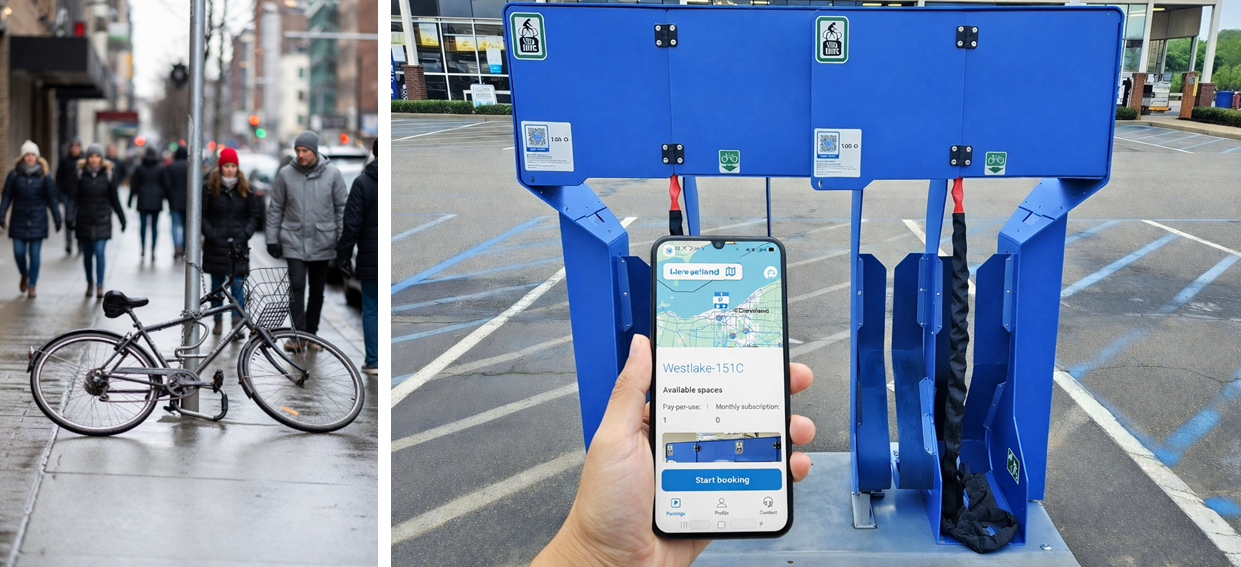
We talk a lot about bike share, public transit, cycling infrastructure, and reducing car dependency. All of these topics matter.
But one layer is often missing from the conversation: 𝗮𝗿𝗿𝗶𝘃𝗮𝗹. Because active mobility does not become truly viable simply because a route exists. It becomes viable when people can leave, travel, and arrive with confidence.
That is where much of the decision is made.
A person may want to ride.
They may have access to a bike lane.
They may even own a very good bike or e-bike.
But if they do not know where they can securely park at the destination, if they fear theft, if they cannot recharge their e-bike, or if they have to manage their battery in an environment not designed for it, the trip becomes less natural, less reliable, and often less frequent. In other words, the problem is not always the bike.
The problem is often what happens at arrival.
𝗧𝗛𝗜𝗦 𝗜𝗦 𝗪𝗛𝗘𝗥𝗘 𝗔𝗖𝗧𝗜𝗩𝗔𝗧𝗘𝗗 𝗠𝗢𝗕𝗜𝗟𝗜𝗧𝗬™ 𝗖𝗢𝗠𝗘𝗦 𝗜𝗡.
Activated Mobility™ is based on a simple idea: it is not enough to put more vehicles into circulation. We also need to create the conditions that allow people to use the bikes and e-bikes they already own more often.
It is a different way of looking at the problem.
It does not only ask:
“How do we add more mobility options?”
It asks:
“What is preventing people from using the mobility options they already have?”
This is where 𝗩𝗲́𝗹𝗼𝘃𝗼𝘂̂𝘁𝗲 and 𝗕𝗶𝗸𝗲 𝗢𝗮𝘀𝗶𝘀 become relevant.
• 𝗩𝗲e𝗹𝗼𝘃𝗼𝘂u𝘁𝗲: a patented secure parking infrastructure for bikes and e-bikes
• 𝗕𝗶𝗸𝗲 𝗢𝗮𝘀𝗶𝘀: an intelligent platform for reservations, access, management, and connected services
Together, these two components transform bike parking into real mobility infrastructure.
That means treating arrival as part of the mobility system itself:
• secure parking
• e-bike charging
• personal ventilated metal compartments
• better battery-risk management
• smart app-based access
• real-time availability
• usage data for cities, campuses, buildings, and destinations
• potential recurring revenue, without operating a bike fleet
𝗕𝗜𝗞𝗘 𝗦𝗛𝗔𝗥𝗘 𝗔𝗡𝗗 𝗔𝗖𝗧𝗜𝗩𝗔𝗧𝗘𝗗 𝗠𝗢𝗕𝗜𝗟𝗜𝗧𝗬™ 𝗗𝗢 𝗡𝗢𝗧 𝗔𝗡𝗦𝗪𝗘𝗥 𝗧𝗛𝗘 𝗦𝗔𝗠𝗘 𝗤𝗨𝗘𝗦𝗧𝗜𝗢𝗡.
Bike share asks: “How do we give people access to a bike?”
Activated Mobility™ asks: “How do we help people use their own bikes more often, more easily, and for longer?”
That distinction matters. Bike share can certainly play a role in certain contexts. But it often depends on fleets, stations, rebalancing, maintenance operations, seasonal constraints, and sometimes complex funding models. Activated Mobility™ starts from a different observation: thousands of people already own bikes and e-bikes. The potential is already there. But that potential remains underused when the arrival environment is not reliable enough.
What we need to activate is not only vehicles.
We need to activate confidence.
𝗔𝗥𝗥𝗜𝗩𝗔𝗟 𝗔𝗦 𝗜𝗡𝗙𝗥𝗔𝗦𝗧𝗥𝗨𝗖𝗧𝗨𝗥𝗘
If we want to accelerate everyday active mobility, we need to address the real friction points:
theft, charging, weather, safety, battery management, predictability, and confidence at destination.
For a building owner, city, campus, tourism destination, or parking operator, this changes the perspective.
Bike parking is no longer just a metal rack added at the end of a project. It becomes useful, measurable, operable infrastructure — and potentially a source of recurring revenue.
It can support ESG objectives.
It can reduce pressure on car parking.
It can improve the user experience.
It can make active mobility more credible as a daily transportation choice.
And it can provide a more structured response to growing concerns around e-bike batteries.
That is where arrival becomes strategic.
𝗖𝗛𝗔𝗡𝗚𝗜𝗡𝗚 𝗠𝗢𝗕𝗜𝗟𝗜𝗧𝗬 𝗔𝗟𝗦𝗢 𝗠𝗘𝗔𝗡𝗦 𝗖𝗛𝗔𝗡𝗚𝗜𝗡𝗚 𝗧𝗛𝗘 𝗘𝗡𝗗 𝗢𝗙 𝗧𝗛𝗘 𝗧𝗥𝗜𝗣
We will not transform active mobility only by adding bike lanes.
Bike lanes are essential. But they are not enough if the destination experience remains uncertain. For bikes and e-bikes to become true everyday transportation choices, arrival must become as reliable as the route itself. Perhaps this is where the next evolution of active mobility begins: not only in the movement of bikes, but in the ability of our buildings, cities, campuses, and destinations to welcome them intelligently.
Active mobility does not end at destination. It is validated at destination.