5. The true impact of secure e-bike parking becomes clear when usage is analyzed over time.
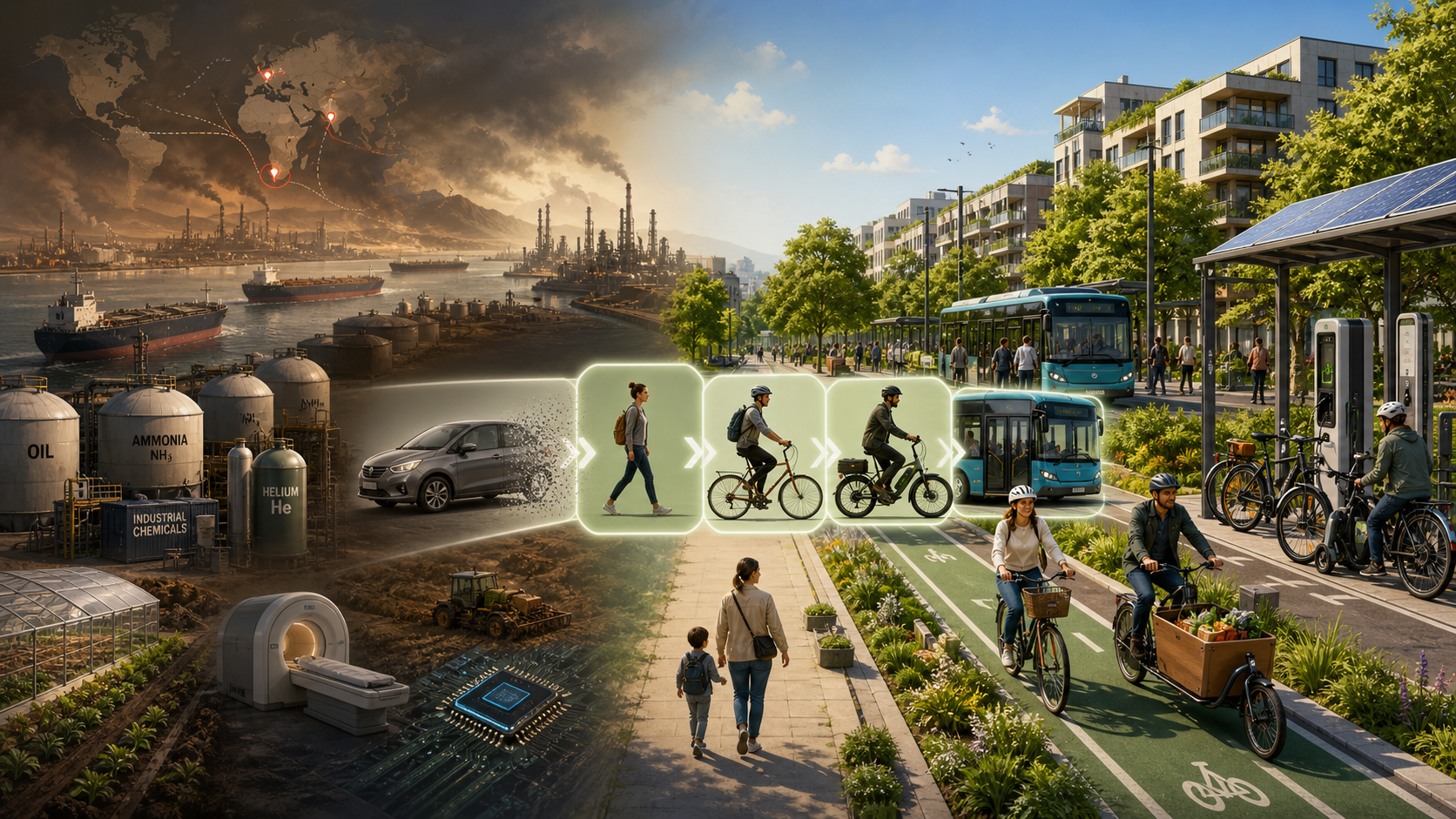
Observed usage confirms secure e-bike parking replaces car trips at scale.
Bike-Oasis usage heat map showing consistent weekday demand, clear peak hours, and weekend surges—evidence of repeatable, habitual bike use.
The Bike-Oasis admin heat map reveals consistent, repeatable patterns of use across days and hours—peaking during late-morning and early-afternoon periods, with sustained activity on weekdays and distinct, higher-intensity bursts on weekends. This temporal concentration confirms that secure e-bike parking is not used sporadically, but as part of regular daily routines.
When this real-world usage data is combined with Don Cicleto’s extensive European deployment experience and early North American patterns, a clear picture emerges: a single secure stall typically enables multiple car trips to be replaced each day, rather than occasional or marginal shifts.
In practice, one secure stall supports:
1–3 displaced car trips per weekday, aligned with commuting, errands, and campus schedules
2–6 displaced car trips on weekends in mixed-use and retail environments, where usage intensifies during mid-day and afternoon peaks
Even higher displacement rates on university campuses, where predictable schedules and limited car parking amplify mode shift
Using a conservative annual model, these observed patterns translate into:
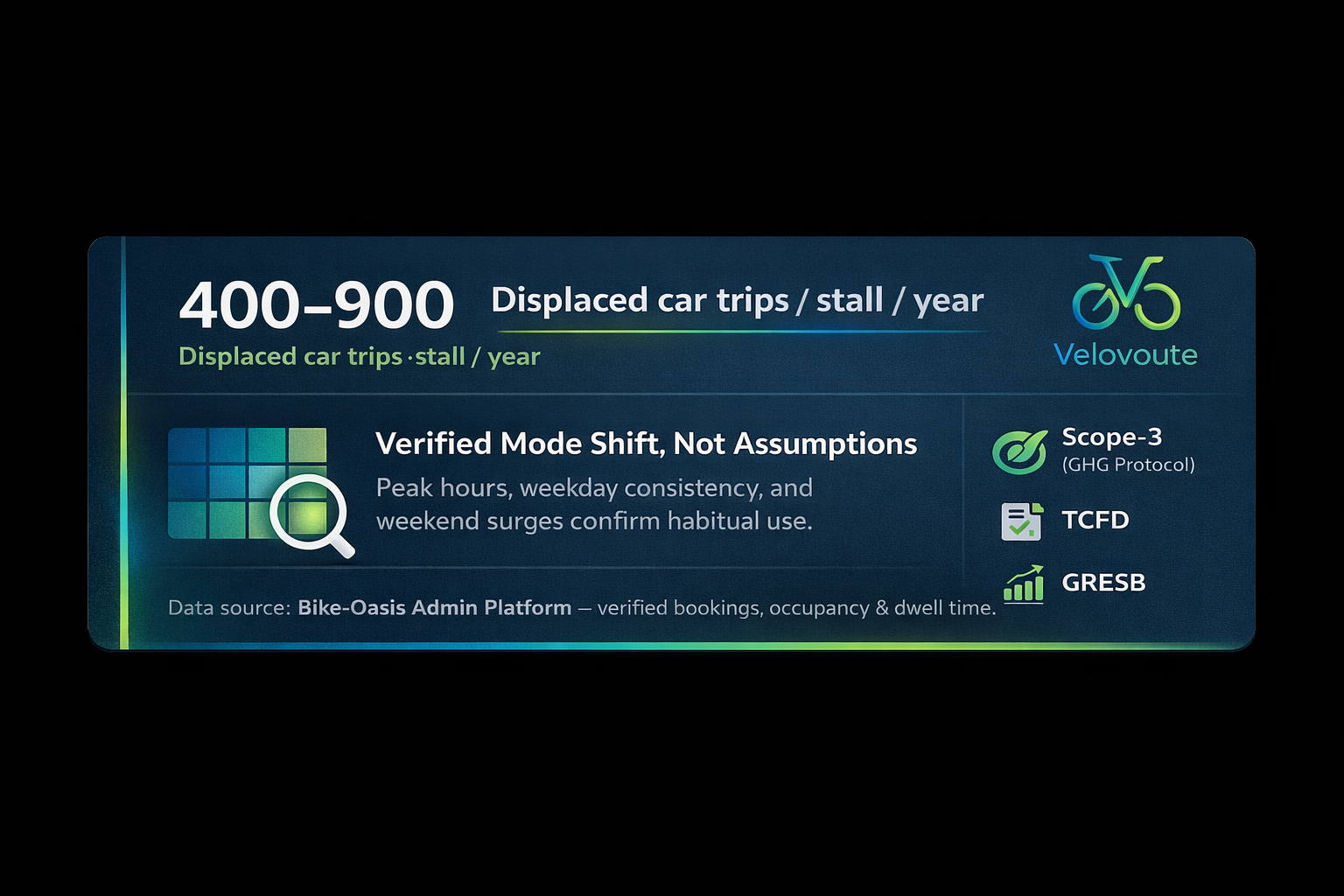
400–900 displaced car trips per stall, per year
When deployed at scale—across 40, 80, or 200 stalls—these impacts compound into a measurable, portfolio-level mobility effect. Crucially, this is not modeled or assumed behavior; it is supported by verified booking, occupancy, and dwell-time data captured directly through the Bike-Oasis platform.
As a result, secure e-bike parking becomes a defensible input for:
GHG Protocol Scope-3 avoided-emissions reporting
TCFD climate-risk and transition disclosures
GRESB real-asset sustainability benchmarking
Unlike aspirational mobility targets or survey-based estimates, secure parking generates verifiable, repeatable outcomes—linking infrastructure investment directly to observed behavior change and measurable ESG performance.
3. Grid Impacts: Modern E-Bike Charging Is Exceptionally Light
One of the most persistent misconceptions surrounding e-bike infrastructure is that charging represents a meaningful burden on building electrical systems or local grids. In reality, e-bike charging is one of the lowest-impact electrification loads available.
Light Grid Impact of eBike Charging
One of the most persistent misconceptions surrounding e-bike infrastructure is that charging represents a meaningful burden on building electrical systems or local grids. In reality, e-bike charging is one of the lowest-impact electrification loads available.
A typical e-bike battery operates within the following range:
Capacity: 400–700 Wh
Charging power: 70–150 W
Electricity per full charge: ~0.5 kWh
Even under a conservative scenario—two full charges per stall per day—the total demand remains minimal:
~1 kWh per day per stall
~30 kWh per month per stall
Putting this into perspective
To contextualize this load:
A Level 2 EV charger typically consumes 360–720 kWh/month
An office coffee machine consumes 60–100 kWh/month
A heat pump can exceed 500 kWh/month, depending on climate and usage
Against these benchmarks, e-bike charging is almost negligible—yet the emissions avoided per kilowatt-hour consumed are disproportionately high.
This combination of very low energy demand and very high emissions displacement explains why secure, controlled e-bike charging is increasingly integrated into decarbonization, ESG, and energy-transition strategies across real estate portfolios and campuses.
2. Why Secure Parking Is the Trigger for Mode Shift, Not Bike Lanes Alone
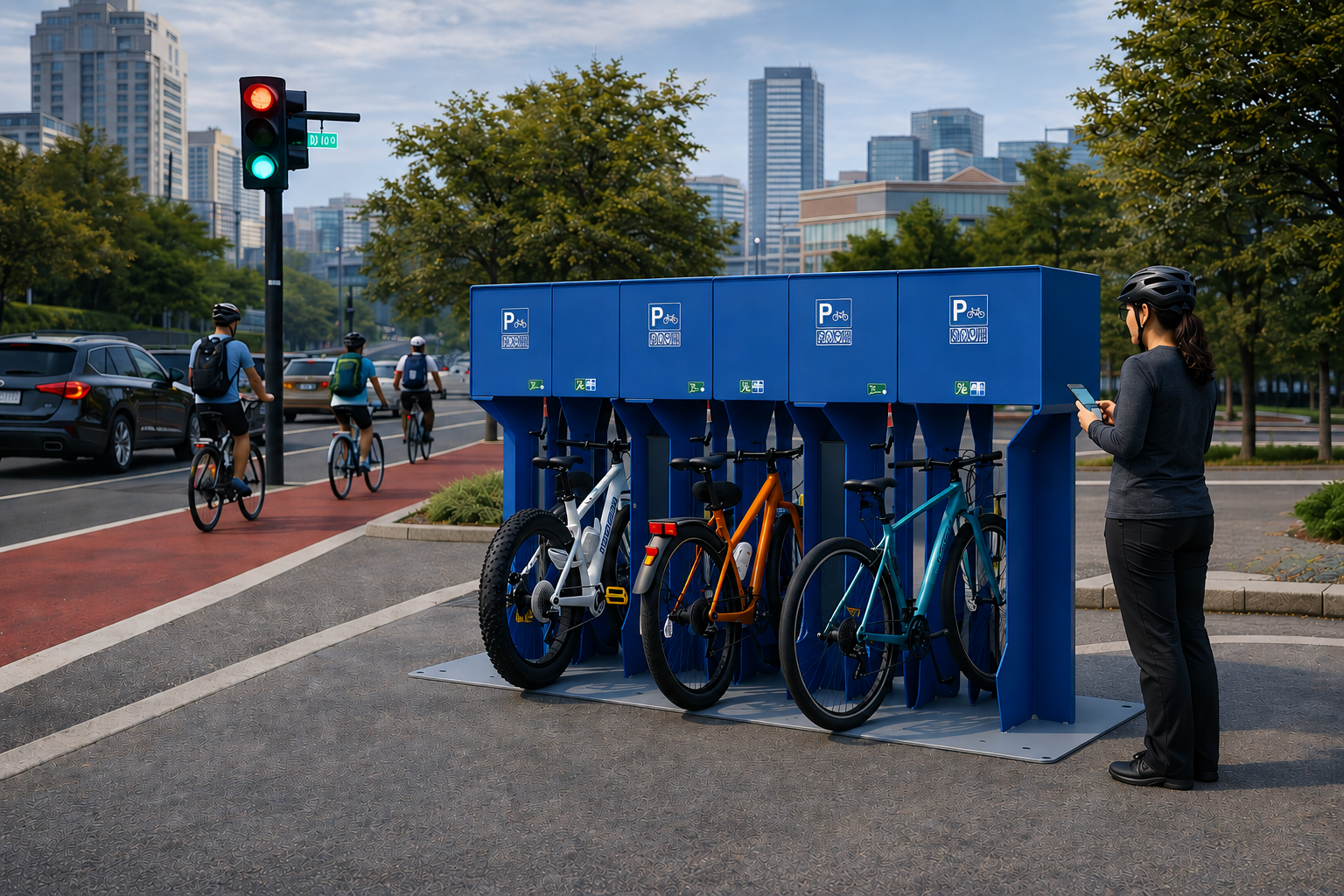
Secure End-of-Trip Infrastructure: The Real Catalyst Behind Mode Shift
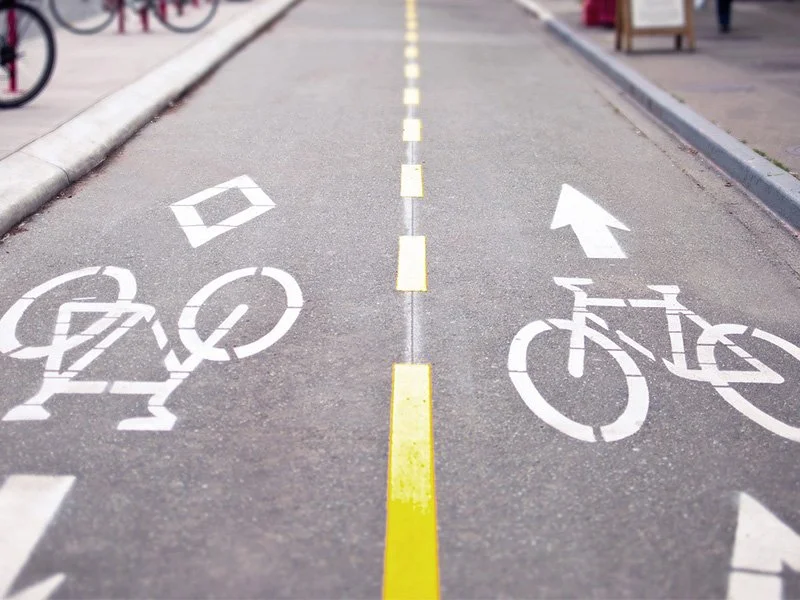
For more than a decade, urban mobility strategies in North America have focused heavily on in-route infrastructure—bike lanes, shared paths, and protected intersections. While these investments are necessary, experience from European deployments and early North American pilots shows they are not sufficient to trigger sustained mode shift on their own.
Secure End-of-Trip Infrastructure: The Real Catalyst Behind Mode Shift
For more than a decade, urban mobility strategies in North America have focused heavily on in-route infrastructure—bike lanes, shared paths, and protected intersections. While these investments are necessary, experience from European deployments and early North American pilots shows they are not sufficient to trigger sustained mode shift on their own.
The decisive factor is not what happens between origin and destination, but what happens at the destination.
Surveys and usage data consistently show that the decision to commute by bike or e-bike hinges on a simple question:
“Will my bike—and its battery—still be there, safe and usable, when I come back?”
The real barriers holding riders back
Across cities, campuses, and employment centres, e-bike users cite a remarkably consistent set of barriers:
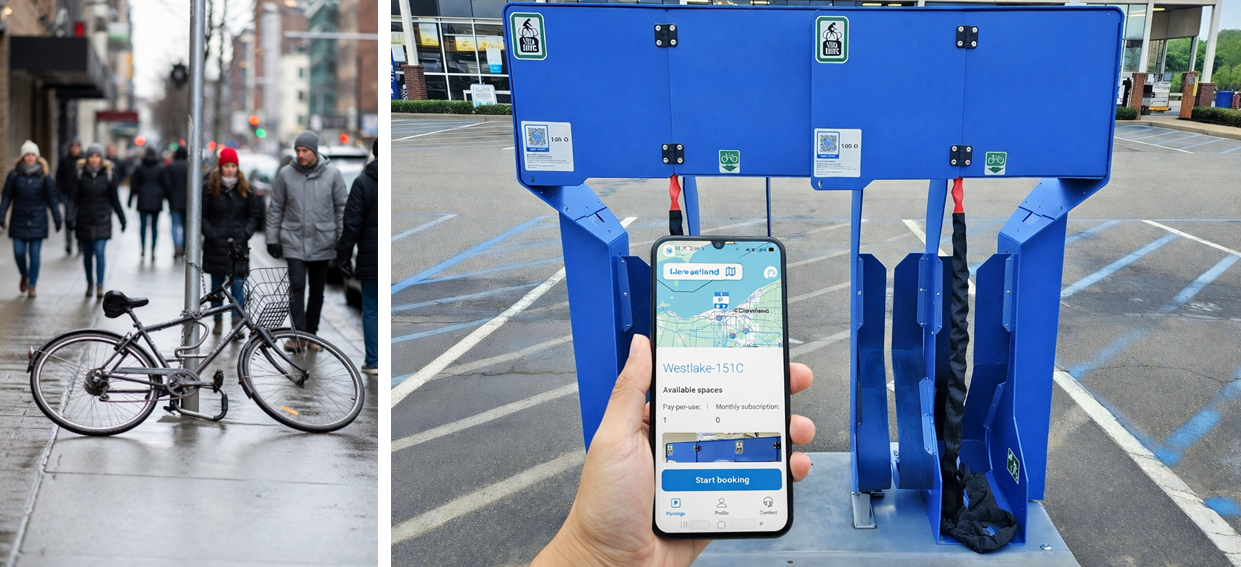
Theft, by far the number-one deterrent, even in cities with good cycling infrastructure
Battery theft, which can render an e-bike unusable in seconds
Fire-safety concerns, particularly when charging indoors or near occupied spaces
Weather exposure, which discourages year-round use
Lack of keyless access, forcing users to manage locks, keys, and cables
No personal storage for helmets, chargers, rain gear, or accessories
These barriers are psychological as much as practical. If even one remains unresolved, many users revert to driving—especially for work, school, or errands that require reliability.
Why secure parking changes behaviour
The Velovoute platform was designed specifically to remove these friction points at once:
Fire-contained, controlled charging eliminates improvised charging in common areas
Secure, private vaults remove bikes from shared, crowded rooms
Keyless smart access via Bike Oasis eliminates keys, codes, and lock anxiety
Personal storage supports daily commuting needs, not just parking
Weather protection enables true four-season usability
Usage analytics provide visibility and accountability for operators and ESG teams
When end-of-trip uncertainty disappears, behaviour changes.
Trips shift not because people love infrastructure—but because they trust the system.