
Bike Sharing Is Hitting a Wall
The Next Mobility Challenge Is Not Access — It Is Control, Security, and Arrival
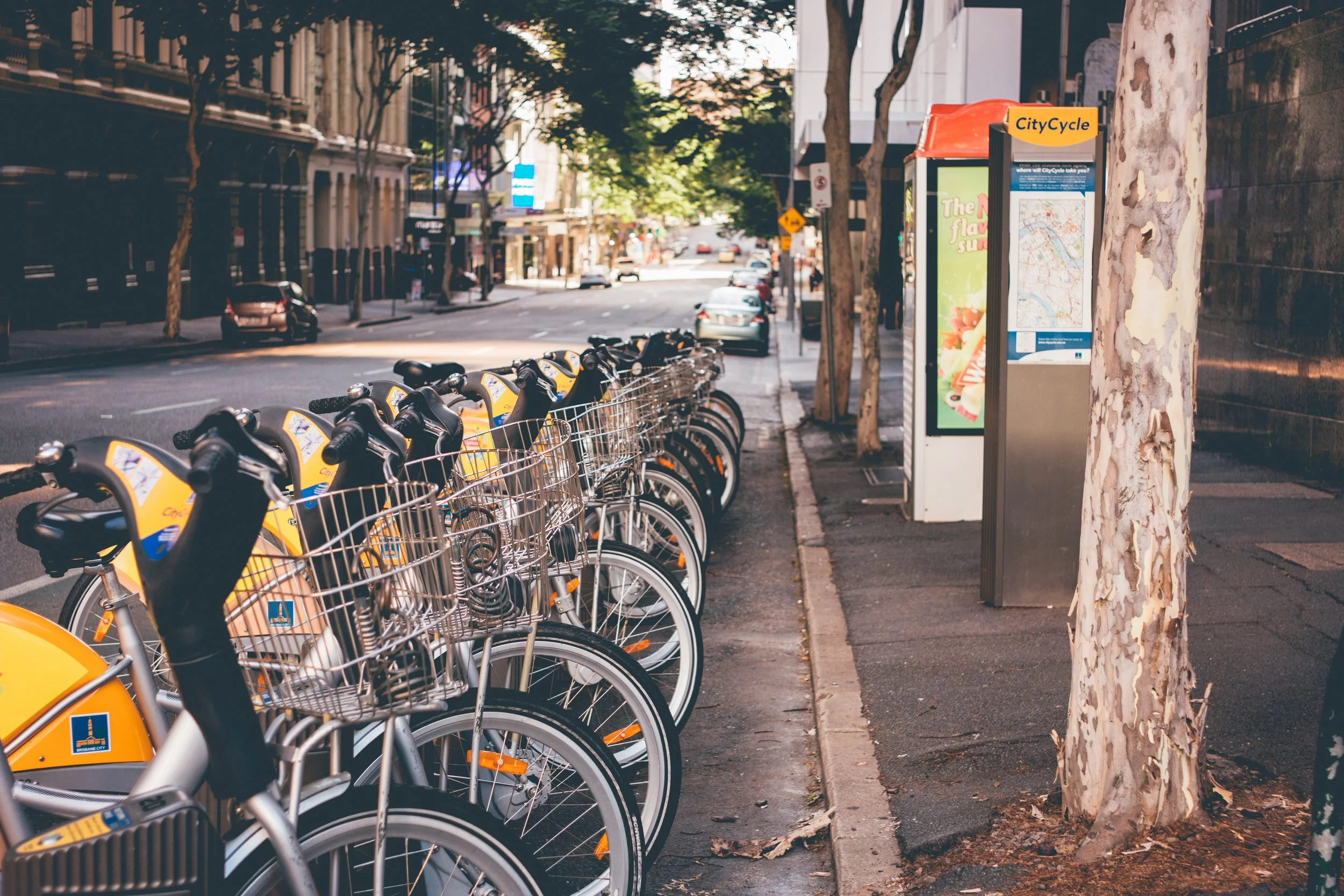
Photo: Zachary Staines / Wikimedia Commons, CC0 Public Domain.
Introduction
For more than a decade, bike sharing has been presented as one of the most visible symbols of urban mobility innovation. Cities launched fleets, added stations, promoted modal shift, and encouraged residents and visitors to replace short car trips with bicycles and e-bikes. But recent developments in both North America and Europe suggest a more complex reality. From vandalized BIXI stations in Montréal, to the planned removal of private shared e-bike operators in Barcelona, to struggling e-bike share programs in smaller North American cities, the message is becoming clearer: bike sharing is not failing because people do not want bikes. It is struggling because cities have underestimated the operational, financial, and public-space pressures that come with shared mobility at scale.
1. Recent Warning Signs
North America
Recent articles point to several setbacks:
In Montréal, BIXI stations have been removed or repaired following vandalism and infrastructure damage.
BIXI-related costs linked to degradation reached approximately $1.4 million last year.
Montréal’s BIXI funding has reportedly been reduced compared with the previous year.
In Richmond, California, city staff recommended ending a citywide e-bike share program because of high costs, low ridership, and lack of sustainable funding.
In Ottawa-Gatineau, the return of bike sharing is being studied, but estimated costs create a major implementation barrier.
Europe
Similar pressures are visible across Europe:
Barcelona will not renew licences for several private shared e-bike operators starting in 2027. The decision follows thousands of fines, complaints, and removed bikes linked to poor parking and operating-rule violations.In Trento, Italy, an older docked bike-share system is being dismantled after declining ridership, vandalism, and obsolete infrastructure.In London boroughs, dockless e-bike operators are facing tighter rules, fines, and enforcement because of sidewalk obstruction and parking disorder.Brussels is banning shared e-scooters from 2027, a broader micromobility signal that cities are becoming less tolerant of poorly managed shared fleets.
2. The Main Causes Behind the Setbacks
Public-space disorder
One of the strongest patterns is the growing conflict between shared micromobility and public-space management. Poorly parked bikes and e-bikes create accessibility issues, block sidewalks, frustrate residents, and generate political pressure. The issue is not simply whether people use the service. The issue is whether the service can coexist with pedestrians, local businesses, people with disabilities, and municipal expectations for orderly public space.
Vandalism and asset degradation
Shared systems expose expensive public or semi-public assets to constant use, misuse, weather, theft, and vandalism. When degradation costs become significant, the economics of the service become harder to defend. This is especially true when municipalities are already under pressure to justify operating subsidies.
Funding fragility
Many bike-share systems depend on grants, municipal funding, sponsorship, or political support. When budgets tighten, these systems can quickly become vulnerable. This reveals a deeper issue: bike sharing is often promoted as transportation infrastructure, but funded like a discretionary program.
Low ridership versus high fixed costs
Docked systems, stations, maintenance teams, redistribution logistics, charging needs, and software platforms all create fixed costs. When ridership falls below expectations, the cost per trip can become politically difficult to justify. This does not mean the idea is wrong. It means the model must be carefully matched to local density, trip patterns, climate, theft risk, funding capacity, and user behaviour.
Weak governance of private operators
Cities are increasingly distinguishing between well-regulated public systems and private free-floating operators. Barcelona is a clear example: the city is not rejecting cycling; it is rejecting a model that failed to meet public-space and compliance expectations.
3. What This Really Means
The conclusion should not be that bike sharing has failed. The better conclusion is that shared mobility is entering a more mature phase. The first phase was about access: putting more bikes on the street. The next phase is about control: ensuring that bikes are available, protected, properly parked, financially sustainable, and integrated into the broader transportation network. Cities are now learning that adoption is only one part of the equation. A popular mobility service can still become politically fragile if it creates disorder, is too costly to maintain, or fails to address the realities at the arrival point.
4. The Missing Piece: Secure Arrival Infrastructure
Bike sharing solves one problem: access to a bike. But it does not solve every mobility problem. For many people, the decision to ride is not only based on whether a bike is available. It is also based on what happens at the destination:
Can I park safely?
Can I protect my bike or e-bike?
Can I charge if needed?
Can I leave my helmet, battery, or personal items?
Can I trust that the infrastructure will be there when I arrive?
This is where the next generation of active mobility infrastructure becomes essential. Secure bike parking, charging, reservation systems, and managed access are not secondary features. They are part of the infrastructure required to make cycling a reliable transportation choice.
5. From Bike Sharing to Activated Mobility™
The future of urban cycling will not depend on one model alone. Bike sharing will remain useful, especially for short trips, tourism, first-mile/last-mile connections, and users who do not own a bike. But cities must also support the growing number of people who already own bicycles and e-bikes. These users do not need access to another bike. They need confidence that they can arrive, park, charge, and return home without loss, theft, or friction. That is the shift from shared access to Activated Mobility.
Activated Mobility™ means removing the barriers that prevent people from using the bikes they already own. It means treating secure arrival infrastructure as a core part of the transportation network, not as an afterthought.
Conclusion
The recent setbacks in bike sharing should be seen as a warning, not as a rejection of cycling. They show that mobility systems cannot rely on visibility, novelty, or adoption alone. They must be durable, secure, financially sustainable, and compatible with public space. The next challenge for cities is not simply to add more bikes. It is to build the infrastructure that makes cycling dependable, protected, and practical at scale.
Bike sharing opened the door.
Now cities must secure the arrival.