
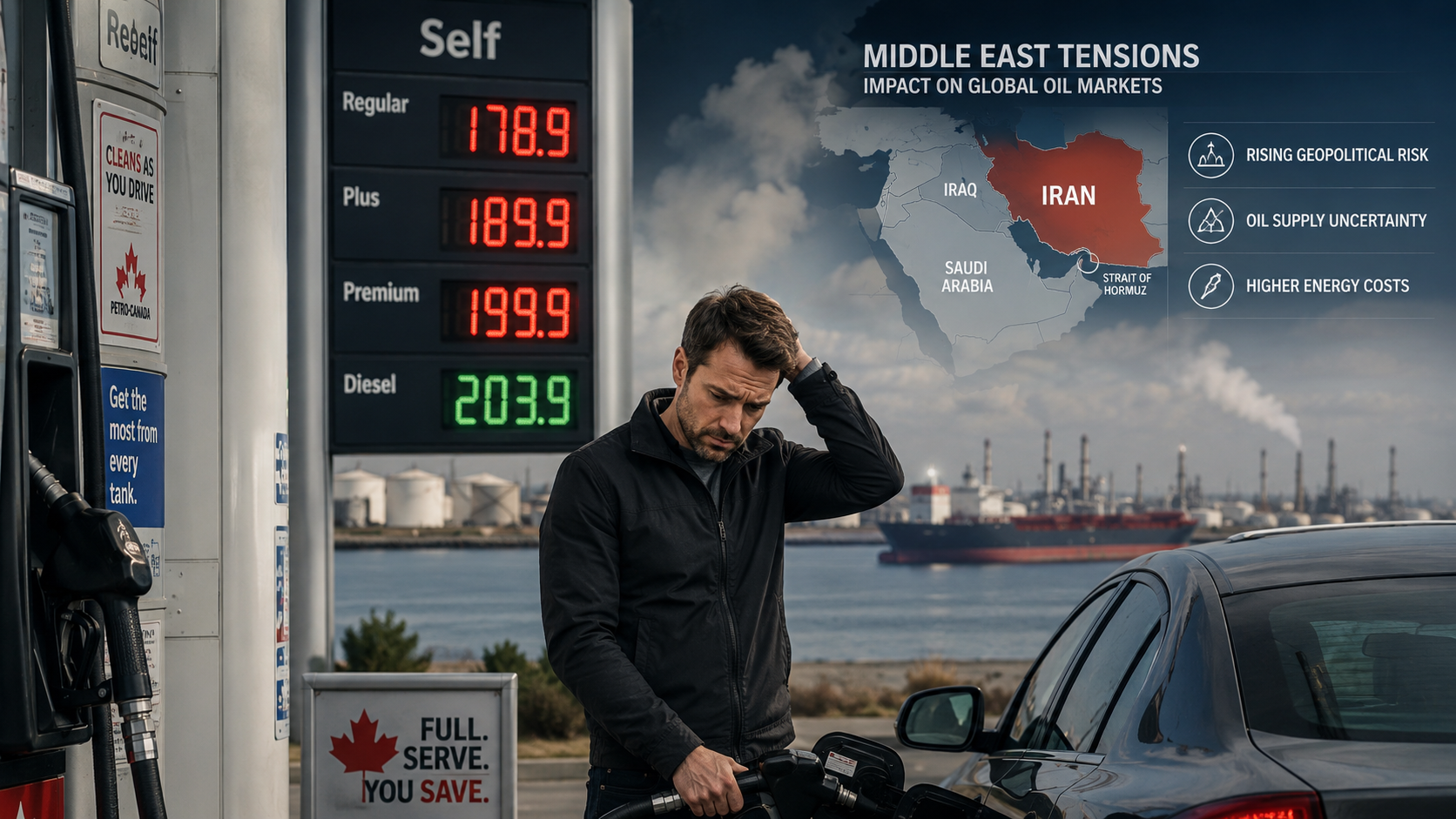
Gas Prices, Conflict, and the Mobility Resilience We Keep Ignoring
Gas prices may eventually come down after a conflict, but families rarely return to the same level of comfort. Each fuel shock reminds households how exposed they remain to events far beyond their control. The real solution is not only cheaper gasoline — it is giving families more practical mobility choices for everyday short trips.
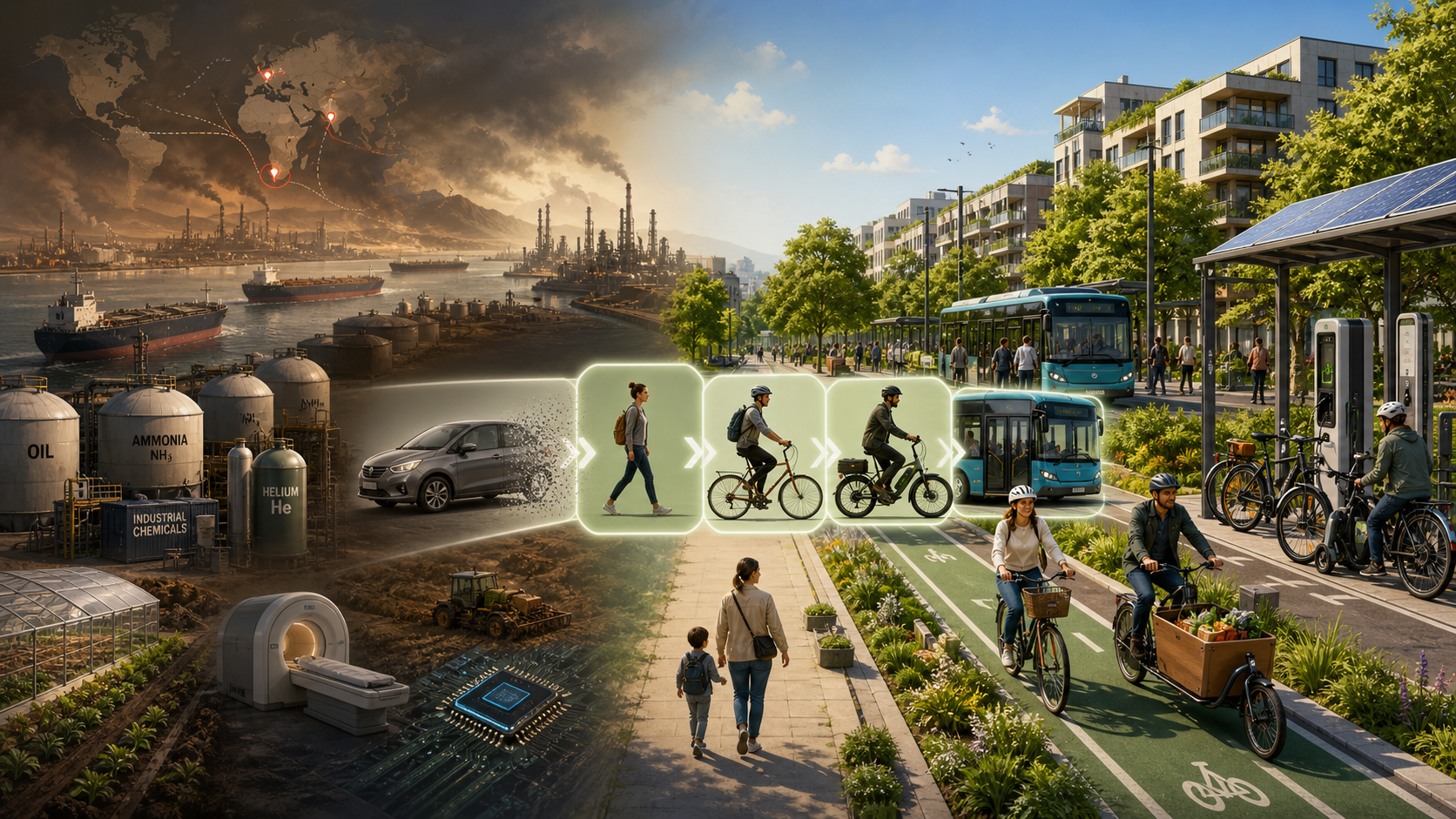
The European Commission recommends cycling to tackle the energy crisis: next steps
Europe is spending hundreds of billions on energy imports while millions of bicycles sit underused. The European Commission is right to promote cycling—but access is no longer the problem. The real barrier lies at the end of the journey: secure parking, safe charging, and reliable infrastructure. Until we solve arrival, the energy potential of cycling will remain largely untapped.
When Conflict Becomes a Systems Test
There is no such thing as a “local” conflict anymore.
What’s happening in Iran is not just geopolitical—it’s a systems test. When a single chokepoint can move global energy markets, disrupt supply chains, and impact everyday costs within days, the issue isn’t the event itself.
It’s how our systems were designed.
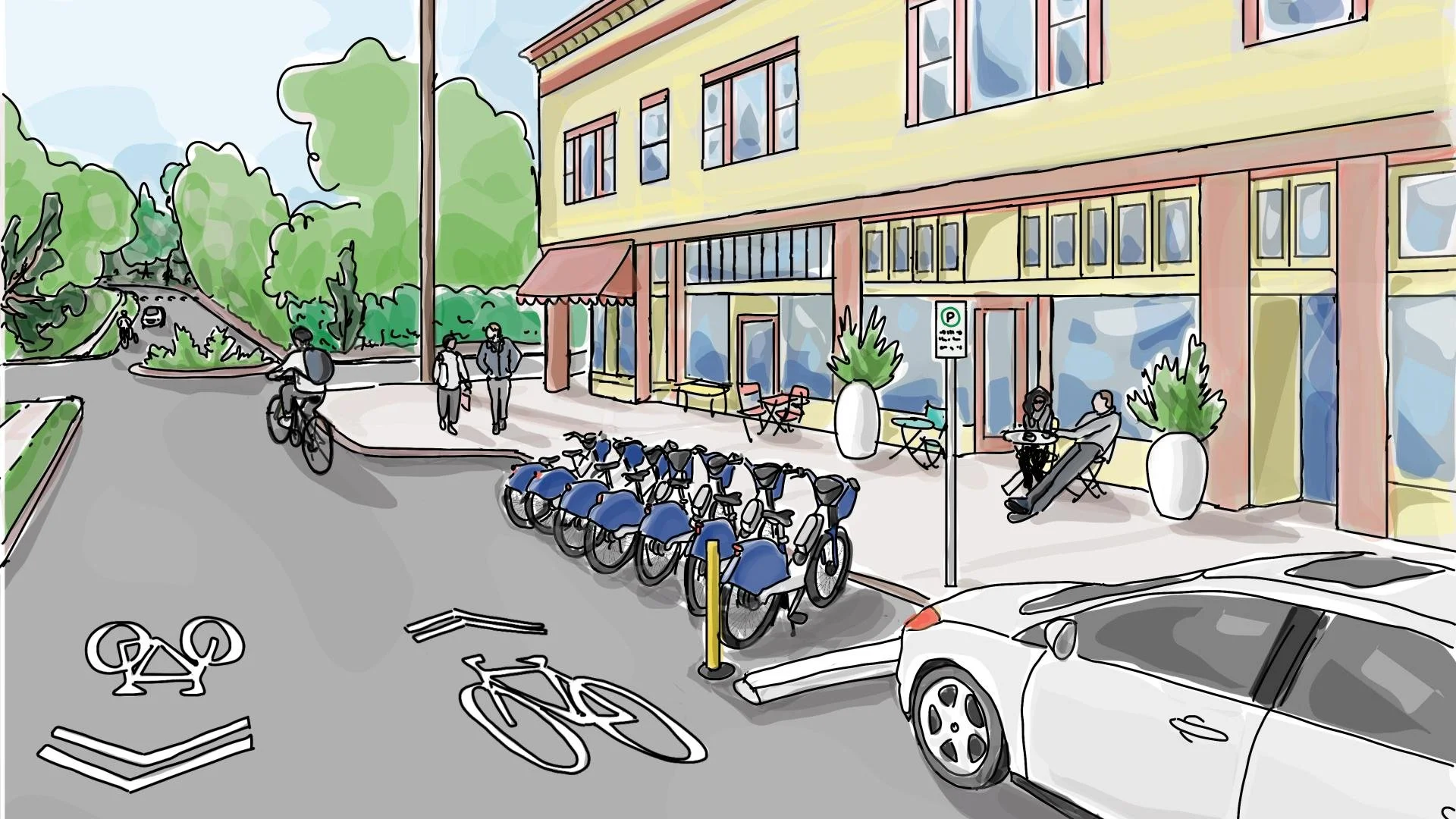
Beyond Bike Sharing: Building Systems That Actually Scale
Bike sharing solved access.
But it didn’t solve reliability.
The real barrier to cycling isn’t getting a bike—
it’s knowing your trip will work from start to finish.
As cities confront space limits, rising operational costs, and system complexity, a new approach is emerging:
not more bikes
but better infrastructure
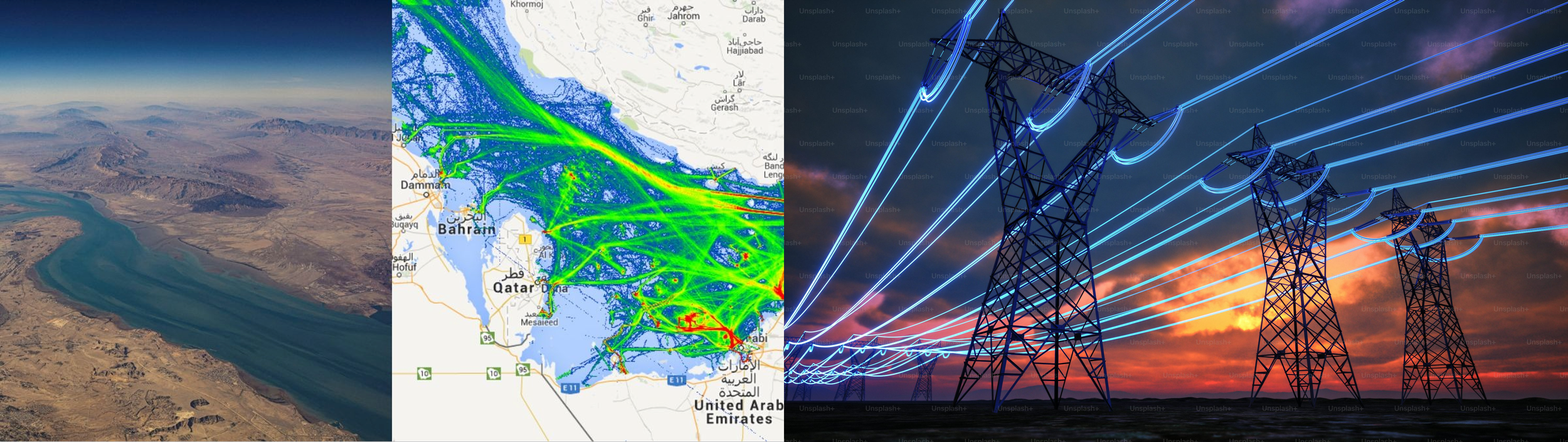
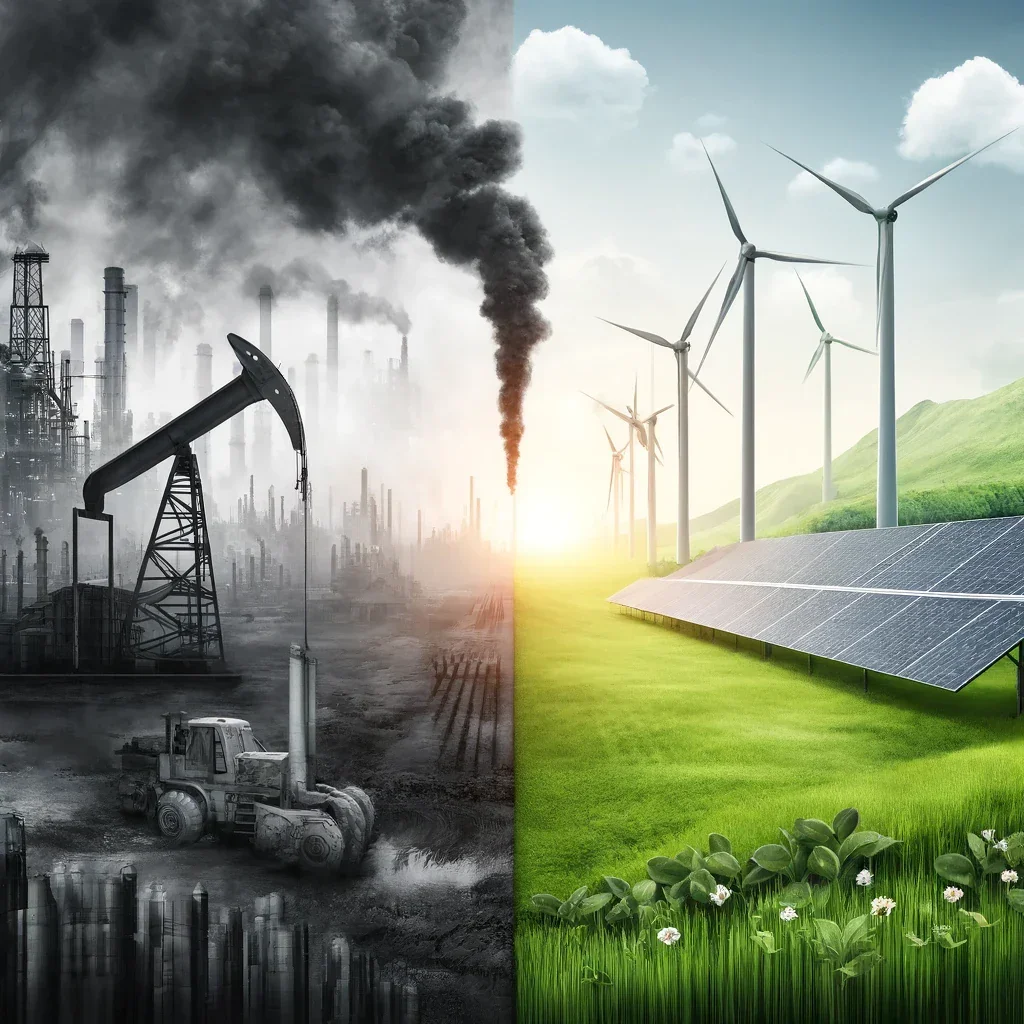
The Illusion of Energy Transition: When Geopolitics Meets System Reality
Electrification is accelerating across mobility, buildings, and infrastructure. But the data tells a more complex story: fossil fuels still dominate global electricity production, and renewables are primarily adding capacity rather than displacing existing generation. As geopolitical tensions expose the fragility of global energy systems, a critical question emerges—are we building cleaner systems, or simply more complex ones?